
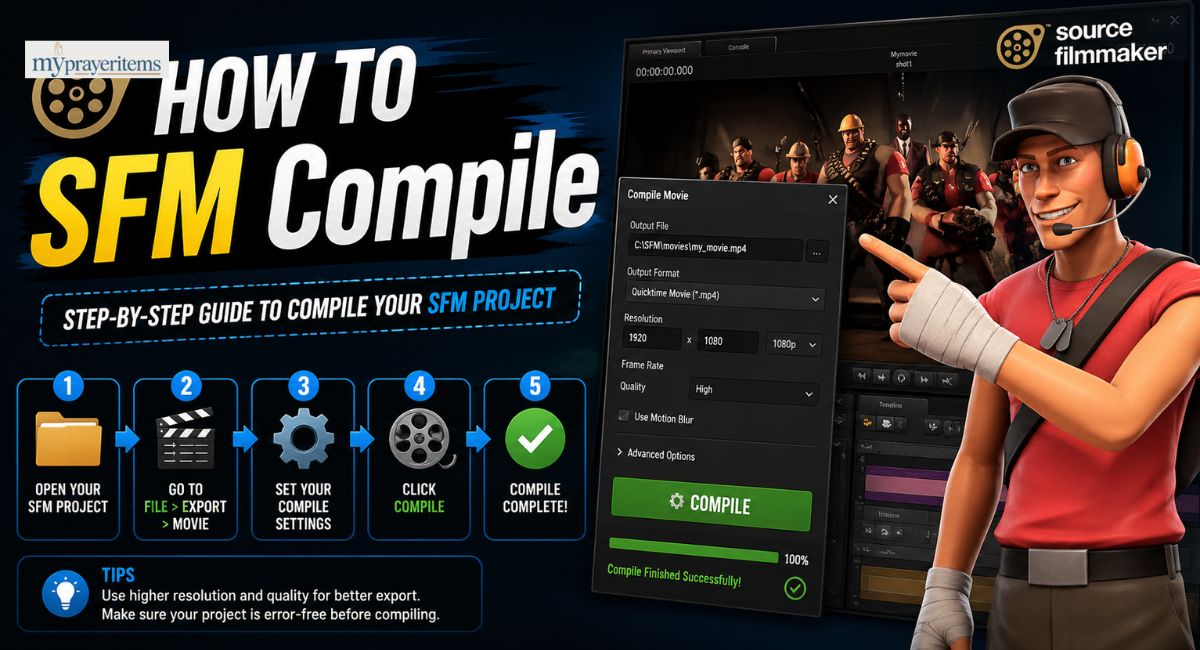

HOW TO SFM Compile is a key skill for anyone working with Source Filmmaker and custom 3D assets. It explains how raw models transform into usable in-engine content through a structured process. When you learn SFM Compile, you unlock control over animation, textures, and performance inside the Source Engine.
Many creators struggle at first because SFM model compilation requires precision and the right tools. However, once understood, it becomes a powerful workflow for custom 3D model conversion and cinematic design. This guide helps you explore Source Filmmaker models creation with clear steps and practical knowledge that improves your overall animation pipeline.
What Is SFM Compile
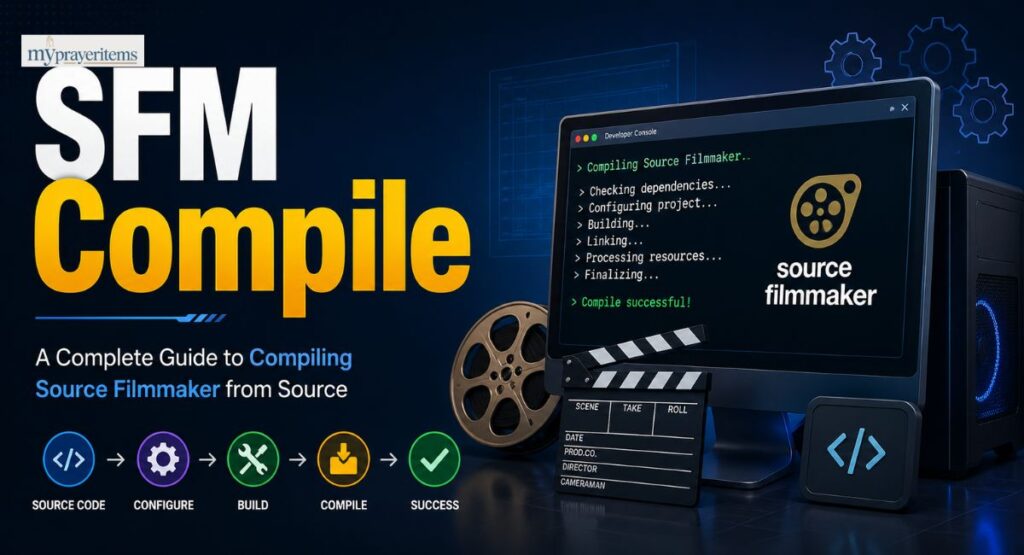
What is SFM compile is a common question among beginners starting SFM Compile For Custom Model Creation. It is the process of converting 3D files like OBJ or FBX into the MDL file format, which Source Filmmaker understands. Without it, your model simply cannot appear in the editor.
The system uses QC script commands to define how models behave. It connects geometry, materials, and animation sequences SFM into a single compiled asset. This step is the heart of custom 3D model conversion in Source Filmmaker.
Essential Software for SFM Compile
To master SFM Compile For Custom Model Creation, you need the right tools. Most creators rely on Blender for SFM, which handles modeling and rigging. Then you use compilers like studiomdl compiler or Crowbar tool SFM to finish the process.
These SFM workflow tools handle different stages of compilation. Blender builds the model, QC scripts define behavior, and the compiler converts everything into a usable format.
| Tool | Purpose |
| Blender | Modeling and model rigging Source Engine |
| Crowbar Tool | GUI-based SFM model compilation |
| Studiomdl.exe | Core compiler for Source Engine assets |
| Notepad++ | Editing QC scripts |
Together, they form a full SFM asset creation pipeline used by developers worldwide.
SFM Compile Process Steps
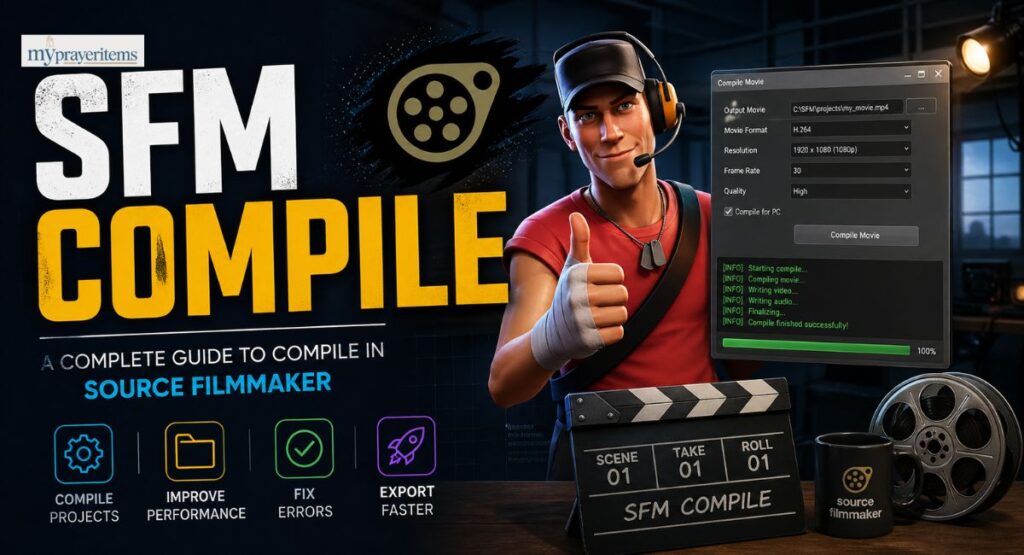
The step by step SFM compile process starts with preparing your model. You must export it properly from Blender and ensure correct scale and rigging. This step is critical for avoiding SFM rendering issues later.
Next, you create QC files and run the compiler. This is where how to use studiomdl.exe becomes important. The system reads your script and builds a final MDL model.
A basic workflow includes model export, QC setup, compiling, and testing in the SFM asset browser. Each stage affects final quality, especially when handling physics collision models and textures.
Professional Best Practices for SFM Compile
Professionals working on SFM Compile For Custom Model Creation always follow strict structure rules. They organize files carefully and test frequently to avoid broken assets. Clean workflow saves hours of debugging later.
They also optimize models for performance. Reducing polygons and fixing UV maps improves stability inside the SFM animation pipeline. Good structure prevents SFM model troubleshooting problems before they start.
A quick best practice checklist looks like this:
| Practice | Benefit |
| Clean folder structure | Faster debugging |
| Low-poly optimization | Better performance |
| Frequent testing | Fewer compile errors |
| Proper naming | Easy asset tracking |
Common SFM Compile Errors
Errors are normal in SFM Compile For Custom Model Creation. One of the most common problems is texture path errors, which cause purple checkerboard models. This happens when the engine cannot find material files.
Another issue is broken rigs. If your model rigging Source Engine setup is incorrect, animations will fail. Many users also struggle with SFM compile errors and solutions when QC files are miswritten.
Here are frequent issues users face:
- Missing textures causing SFM rendering issues
- Broken bones in animation
- Model invisibility in viewport
- Physics model crashes
Understanding how to fix missing textures in SFM is essential for smooth workflow.
Advanced SFM Compile Techniques
Advanced users go beyond basic SFM Compile For Custom Model Creation. They use LOD systems, facial flexes, and automated scripts to improve performance and realism. These techniques make models production-ready.
They also explore batch processing and automation. Using scripts improves SFM model compilation speed and reduces manual work. Advanced creators even integrate Python tools into pipelines.
Many professionals focus on how to optimize models for SFM by balancing detail and performance. This ensures smooth playback in complex scenes.
FAQs
What is SFM Compile used for in Source Filmmaker?
It converts raw 3D models into usable MDL file format assets for animation and rendering.
How to compile models in Source Filmmaker?
You use Blender, QC scripts, and studiomdl compiler to build final assets.
Why do models fail to load in SFM?
Most failures come from incorrect paths or missing textures in Source Engine assets.
How to fix purple textures in Source Filmmaker?
Check material paths and ensure textures match QC script references.
How long does SFM compile take?
Simple models take seconds, but complex animation sequences SFM can take minutes.
Does SFM work with Source 2?
No, SFM uses Source Engine while Source 2 uses a different system.
Final Insight
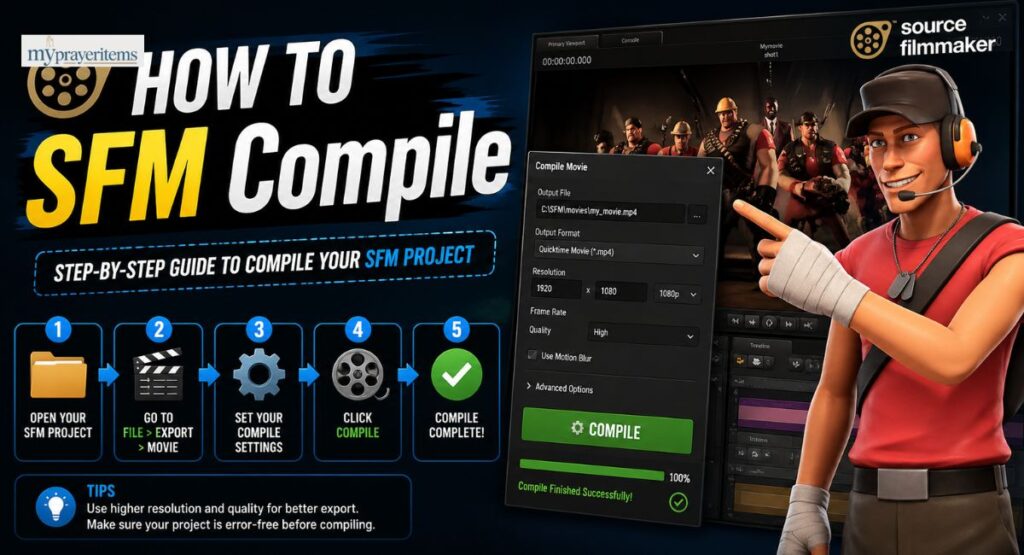
Mastering SFM Compile For Custom Model Creation is not just technical work. It is a creative workflow that blends art and engineering. Once you understand how to debug QC scripts and manage assets properly, you gain full control over cinematic storytelling inside Source Filmmaker.
If you keep practicing, you will move from beginner errors to advanced SFM model troubleshooting skills very quickly.

Tony is the founder and author of My Prayer Items, where he shares thoughtful, informative, and spiritually focused content about prayer. With a passion for faith-based learning, Tony writes to educate, inspire, and help readers better understand prayer practices through clear, respectful, and well-researched articles.
